What is a Metering Pump?
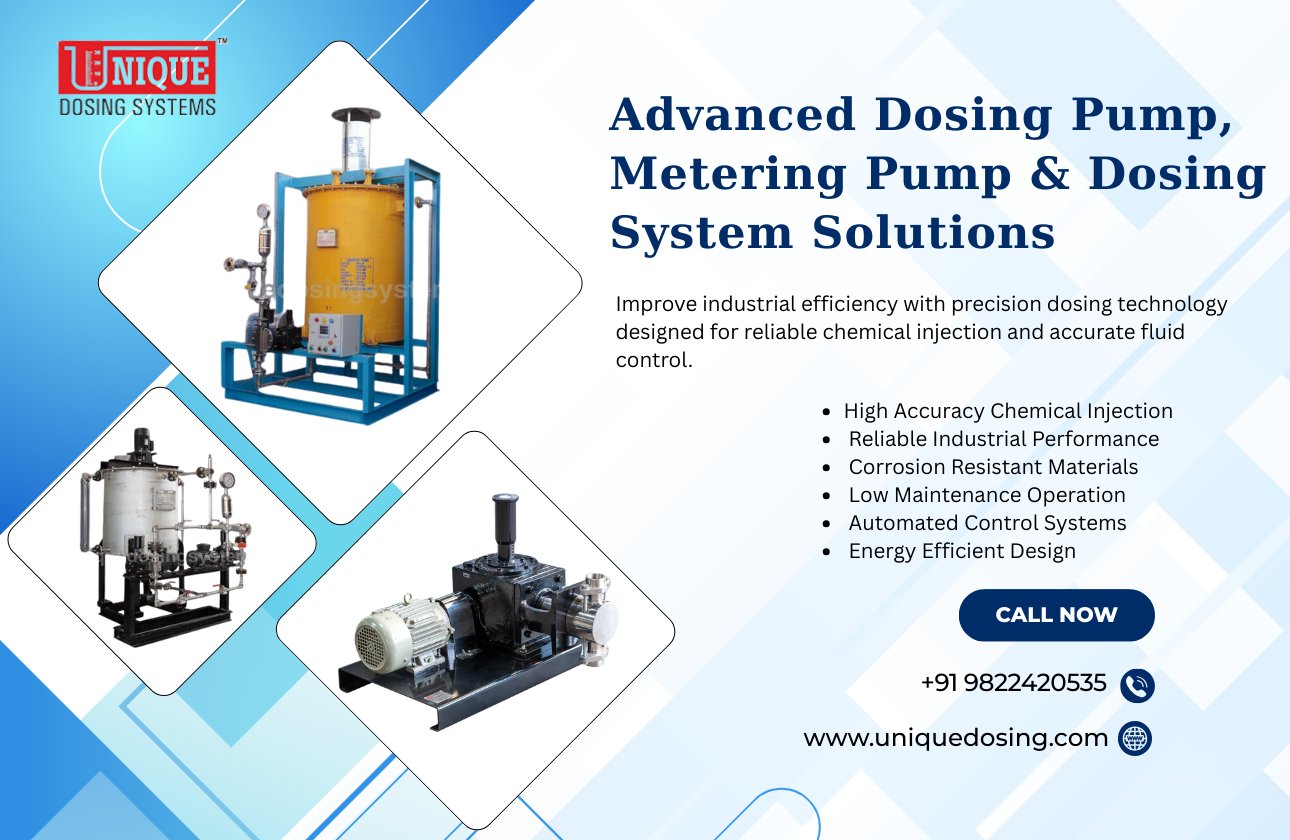
Metering pumps are precision devices used to transport fluids with a high degree of accuracy. They are specifically designed to move exact amounts of fluid, making them essential in various industries that require precision in fluid handling. A typical metering pump precisely controls the flow rate, which can be automatically or manually adjusted depending on the system's requirements. These pumps are often employed in chemical processing, water treatment, and food manufacturing, where maintaining consistent fluid ratios is crucial. The need for accuracy in fluid dispensing and control in industrial processes cannot be overstated, making metering pumps indispensable tools.
How Does a Metering Pump Function?
Metering pumps operate on the principle of positive displacement, which allows them to move specific volumes of liquid with each stroke or rotation. They can handle a wide variety of fluids, including those with high viscosities or containing solid particles. Understanding how these pumps function is critical for ensuring they are properly utilized in their respective applications. The stroke adjustment mechanism ensures precision, offering flexibility and control over the flow rate. Whether you're dealing with corrosive chemicals or viscous fluids, the dependable performance of metering pumps ensures the safe and effective movement of liquids in intricate processes.
The Role of Metering Pumps in Industries
Industries ranging from pharmaceutical to agricultural rely on metering pumps to maintain the integrity and consistency of their production processes. In the pharmaceutical industry, for instance, these pumps are vital in dosing precise formulations, ensuring patient safety and product efficacy. Similarly, in agriculture, they are used in nutrient delivery systems, giving plants exactly what they need to grow effectively. Industries benefit from the precision and reliability that metering pumps bring, helping to avoid wastage and achieve cost savings. As global demands for precision and efficiency continue to grow, the adoption of metering pumps in various sectors propels operational success.
Types of Metering Pumps
There are several types of metering pumps, each designed to meet specific industrial needs. Diaphragm pumps, for example, use a flexing diaphragm as their main pumping mechanism, which makes them ideal for handling hazardous or corrosive liquids safely. Piston pumps, on the other hand, use a reciprocating piston to deliver liquids at precise volumes. Both types are known for their accuracy and reliability but are chosen based on their suitability for the specific characteristics of the fluid being handled. Knowing the different types allows users to select the right pump for their requirements, improving efficiency and safety in industrial operations.
Choosing the Right Metering Pump
Selecting the appropriate metering pump involves considering the specific needs of the application. The nature of the fluid, its viscosity, temperature, and corrosiveness must all be weighed. The choice also hinges on factors like the required flow rate and pressure. Assessing these parameters ensures the chosen pump will function efficiently and effectively in its intended operation. Choosing the right pump not only enhances operational productivity but also extends the life of the equipment by reducing wear and providing consistent performance.
Maintaining Your Metering Pump
Like any other mechanical equipment, metering pumps require regular maintenance to ensure their longevity and performance. Regular maintenance involves routine inspections, timely cleaning, and component checks to prevent breakdowns. It's also important to keep an eye on the calibration and adjustment of the pump to maintain the desired accuracy. Regular maintenance routines and understanding wear signs can significantly reduce downtime and prolong equipment life, thus safeguarding continuous operations without interruptions.
Frequently Asked Questions
1. What fluids can a metering pump handle?
Answer: Metering pumps can handle a wide variety of fluids, including acids, bases, slurries, and viscous liquids. Their design allows for the precise movement of these fluids, ensuring accuracy regardless of fluid characteristics.
2. Why is precision important in metering pumps?
Answer: Precision in metering pumps is crucial because it ensures the correct amount of fluid is dispensed within a process. This reduces waste, maintains product quality, and ensures safety in operations requiring exact chemical dosages.
3. How often should a metering pump be maintained?
Answer: Regular maintenance should be conducted based on usage frequency and the type of fluids handled. Generally, inspecting and servicing every few months is advisable to catch wear and potential malfunctions early.
4. Can metering pumps handle high-pressure applications?
Answer: Yes, metering pumps are designed to handle both low and high-pressure applications. Specific models are tailored for high pressures, offering flexibility across varying operational settings.
5. How do I select the right metering pump for corrosive fluids?
Answer: The key to selecting a metering pump for corrosive fluids is choosing a material that is compatible with the fluid being pumped. Pumps made from specific materials like stainless steel or engineered plastics are designed to resist corrosion from harsh chemicals.