What is a Metering Pump?
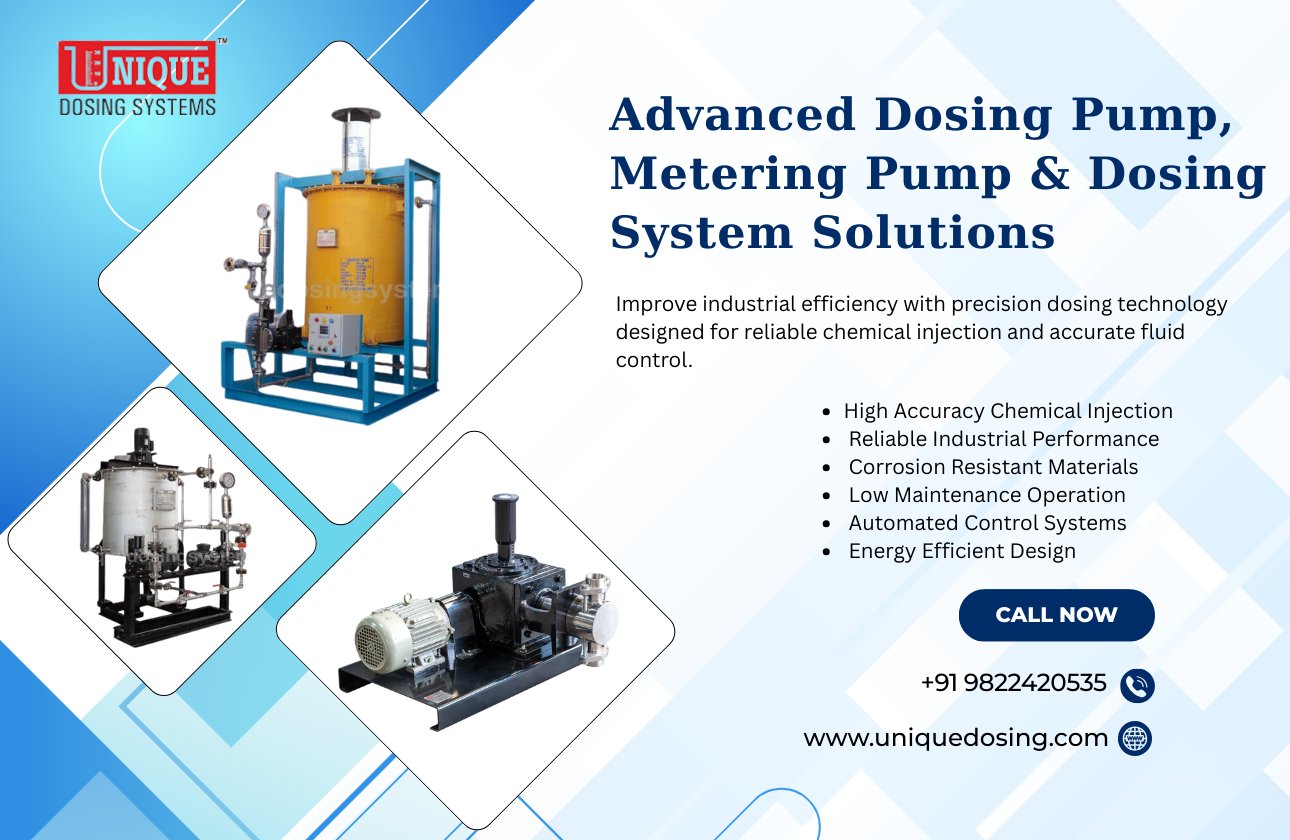
Metering pumps are a type of pump that is used to precisely control the flow rate of a liquid. They are often used to dispense various chemicals, including acids and bases, into processes or systems. The ability to accurately control the flow rate is what sets metering pumps apart from other types of pumps. This precision makes them ideal for applications where exact dosing is crucial, such as in chemical processing, water treatment, and food manufacturing. Unlike general-purpose pumps, which might be used for moving fluids from one place to another without much concern for precision, metering pumps are built to ensure that the exact amount of fluid is delivered every time. This makes metering pumps indispensable in many industries that rely on consistency and accuracy.
How Do Metering Pumps Work?
Metering pumps operate using a mechanism that allows them to control the amount of fluid that passes through the pump at any given time. There are various types of metering pumps, including diaphragm, piston, and peristaltic pumps. Each type has its working mechanism but generally involves the use of stroke length adjustments and speed controls. For example, diaphragm metering pumps work by moving a flexible diaphragm back and forth to create a vacuum, drawing fluid into a chamber and then pushing it out at a controlled rate. This ability to fine-tune the flow rate makes them ideal for precise dosing applications. Piston metering pumps, on the other hand, use a reciprocating piston inside a cylinder to move the fluid. These mechanisms are all designed to provide consistency in fluid delivery, ensuring that each cycle dispenses the same amount of product.
Types of Metering Pumps
There are several different types of metering pumps, each suited to specific applications and types of fluids. The most common types include diaphragm pumps, piston pumps, and peristaltic pumps. Diaphragm pumps are very popular due to their precise control over dispensing, reliability, and capability to handle a wide range of fluids. They are particularly good for viscous liquids and hazardous chemicals as they prevent the fluid from coming in contact with moving parts. Piston pumps are known for their high-pressure capabilities and are often used for applications that require high flow rates. Lastly, peristaltic pumps work by squeezing a tube through which the fluid flows, making them ideal for handling solids and shear-sensitive fluids. Each type of pump has its strengths and is chosen based on the specific requirements of the application.
Applications of Metering Pumps
Metering pumps are found in many industries due to their versatility and precision. One major application is in the chemical industry, where they are used to dose chemicals precisely for reactions that require strict control over fluid amounts. In the food processing industry, metering pumps dispense additives or flavoring agents, ensuring consistency in taste and quality. They are also widely used in water treatment facilities to inject precise amounts of disinfectants or coagulants into the water supply. Moreover, pharmaceutical companies use metering pumps for the precise dosing of ingredients in drug manufacturing, ensuring accuracy in medication formulation. The ability to adapt to different fluids and processes makes metering pumps a fundamental part of many industrial operations.
Benefits of Using Metering Pumps
The benefits of using metering pumps stem primarily from their accuracy, efficiency, and versatility. One of the main advantages is their ability to provide precise control over fluid flow rates, which is crucial in applications that require exact dosing. This precision minimizes waste and ensures product quality and consistency. Additionally, metering pumps are efficient, as they optimize the use of fluids and reduce the consumption of raw materials. Due to their reliable design, they also require less maintenance, which leads to lower operating costs. Furthermore, metering pumps can handle a variety of fluid types, including aggressive chemicals and viscous fluids, making them incredibly versatile. Their ability to function under different pressures and temperatures adds to their adaptability.
Challenges of Metering Pumps
While metering pumps offer numerous advantages, they also present some challenges. One challenge is the complexity of their operation, which requires a precise understanding of their controls for effective use. Incorrect settings or calibration can lead to inaccurate dosing, which might affect product quality or cause process inefficiencies. Another challenge is the cost of high-end metering pumps, which can be significant. This high upfront cost can be a barrier for smaller companies or operations with limited budgets. Additionally, some metering pumps have limitations regarding the types of fluids they can handle, which can restrict their application. Despite these challenges, with the right training and maintenance, metering pumps can be a valuable asset to any operation that requires precision dosing.
Maintenance Tips for Metering Pumps
Proper maintenance of metering pumps is essential to ensure they operate efficiently and last longer. Regular inspection and cleaning are fundamental steps in metering pump maintenance, as accumulated dirt or residue can hinder performance. It is also important to check the seals and diaphragms for signs of wear or damage, as these components are critical for the pump's operation. Lubricating moving parts can prevent corrosion and wear, ensuring smooth operation. Following the manufacturer's guidelines for maintenance schedules and procedures is crucial. In addition, having a routine for checking calibration and ensuring the settings are accurate can prevent dosing errors. Properly maintained metering pumps can provide many years of reliable service with minimal downtime.
Frequently Asked Questions
1. What industries commonly use metering pumps?
Answer: Metering pumps are widely used across various industries, including chemical manufacturing, water treatment, food processing, pharmaceuticals, and more. These pumps are favored in sectors where precise fluid handling and dosing are crucial for product quality and process efficiency.
2. How do I choose the right type of metering pump?
Answer: Choosing the right metering pump involves considering several factors such as the type of fluid, required flow rate, pressure levels, and the specific application. It's also important to consult with pump specialists or manufacturers to identify a pump that best suits your needs.
3. What is the role of a diaphragm in metering pumps?
Answer: The diaphragm is a critical component of many metering pumps, particularly diaphragm pumps. It acts as a moving barrier between the fluid and the pump mechanism, thereby ensuring precision in fluid dispensing and preventing contamination.
4. Can metering pumps handle corrosive substances?
Answer: Yes, many metering pumps are designed to handle corrosive and hazardous substances. For such applications, pumps are often made from durable materials like stainless steel or specialized plastics, ensuring long-term resistance to corrosion.
5. What common maintenance steps should I follow for my metering pump?
Answer: Common maintenance steps include regular cleaning, checking for leaks or damage, replacing worn parts, ensuring correct calibration, and following the manufacturer's maintenance guidelines. This helps in prolonging the pump's life and maintaining its performance efficiency.