
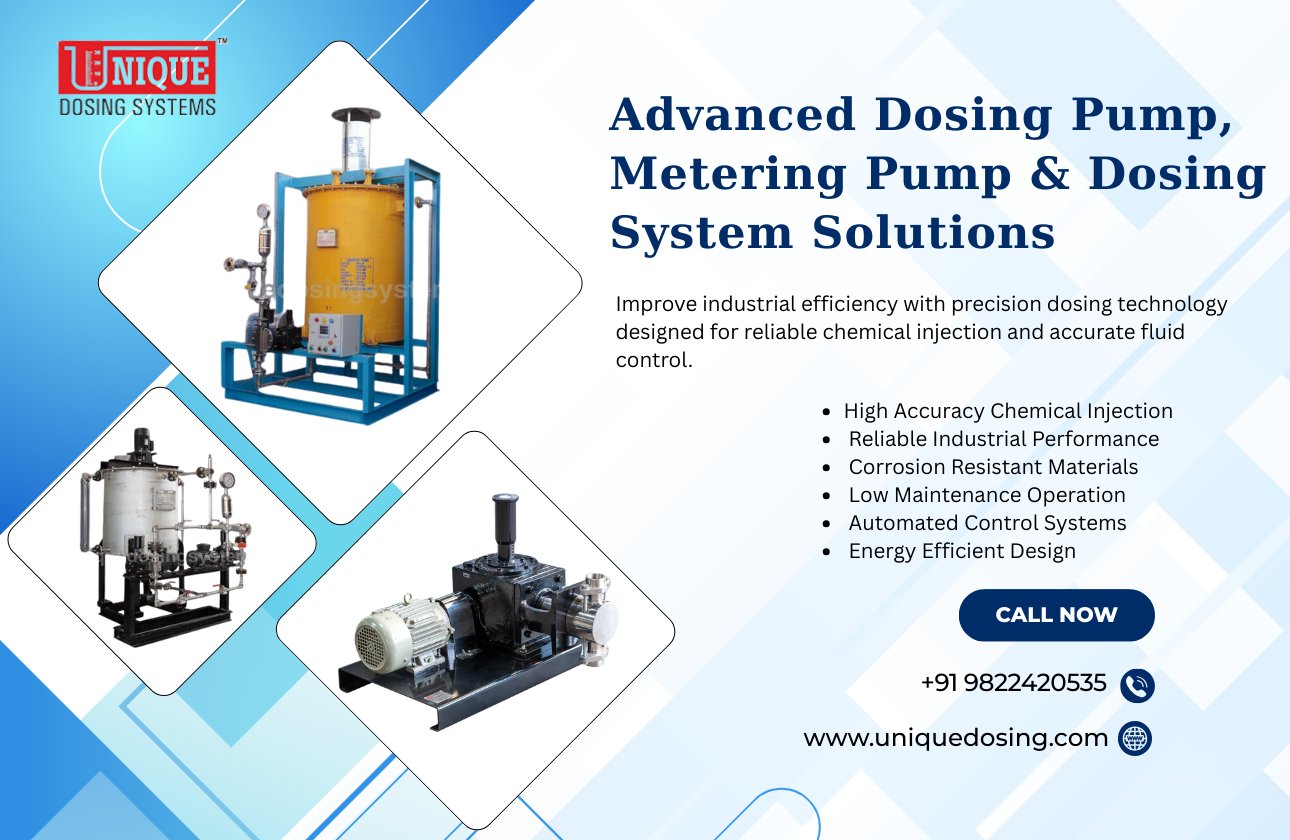
What Are Dosing Pumps?
Dosing pumps are devices used to inject a precise amount of liquid into a solution or system. They're often employed in industries where accuracy and control are crucial, such as water treatment, food production, and chemical processing. Dosing pumps help maintain the quality and effectiveness of produced goods by ensuring the correct chemicals or additives are used consistently. This precision is vital in processes where even a minor error can lead to significant issues.
The Importance of Dosing Pumps in Industry
Dosing pumps play a critical role across multiple industries. In the water treatment sector, they help control pH levels, disinfect water, and eliminate harmful contaminants. Food and beverage industries use these pumps to add flavorings and preservatives, ensuring consistency and safety. Moreover, the chemical industry relies on dosing pumps for accurate mixing of chemicals, which is essential for safe chemical reactions. This precision not only guarantees product quality but also enhances environmental safety by reducing waste and preventing overuse of materials.
How Dosing Pumps Work
Dosing pumps are designed to deliver a controlled flow rate of liquids. They typically consist of a motor, pump head, and a controller. The motor powers the pump, pushing liquid through the pump head, which moves the liquid at a set rate. The controller allows for adjusting the dose rate to ensure the correct amount is delivered. Some advanced models include sensors and alarms to alert users of any issues, ensuring safe and reliable operation. These features make dosing pumps indispensable in precision-driven industries.
Types of Dosing Pumps
There are several types of dosing pumps, each suited for different applications. Diaphragm pumps are popular due to their accuracy and chemical resistance. Peristaltic pumps are ideal for handling aggressive fluids, as the liquid is contained within a tube, preventing contact with pump parts. Chemical dosing pumps are frequently used in processes that require the precise handling of corrosive substances. The choice of pump depends on the specific requirements of the application, including the type of fluid, flow rate, and pressure.
Benefits of Dosing Pumps
The benefits of using dosing pumps include improved accuracy, safety, and efficiency in fluid management. They provide consistent dosing, which is crucial for quality control and compliance in regulated industries. Additionally, they help minimize waste by accurately measuring and delivering fluids, reducing the risk of leaks or spills. Dosing pumps also enhance safety, as they can be programmed to shut down automatically in case of a malfunction, protecting both the system and its operators.
Maintaining Dosing Pumps
Regular maintenance of dosing pumps is essential to ensure their long-term performance and reliability. This includes checking for leaks, cleaning the pump components, and replacing worn-out parts. Proper maintenance helps prevent potential downtime and prolongs the pump's lifespan. Users should consult their pump's manual for specific maintenance guidelines and schedules to protect their investment and ensure continuous functionality.
Applications of Dosing Pumps
Dosing pumps are versatile and used in a variety of settings. They are integral to water treatment facilities for dosing chemicals like chlorine and fluoride. In agriculture, they deliver fertilizers and pesticides with precision, aiding in crop health management. Pharmaceutical manufacturing also benefits from dosing pumps for accurate formulation and mixing of medicines. Each application highlights the pump's indispensable role in precision liquid handling, ensuring quality and efficiency.
Frequently Asked Questions
1. What industries benefit from dosing pumps?
Answer: Industries such as water treatment, food and beverage, agriculture, pharmaceuticals, and chemical processing benefit from dosing pumps. Their ability to deliver precise amounts of liquids makes them essential in any industry requiring accurate fluid management.
2. How do I choose the right dosing pump for my needs?
Answer: Choosing the right dosing pump depends on factors such as the type of fluid being pumped, the required flow rate, and pressure. Consider the chemical compatibility and specific application needs when selecting a pump. Consulting with a manufacturer’s guide can offer more tailored advice.
3. Can dosing pumps handle corrosive chemicals?
Answer: Yes, certain dosing pumps are designed to handle corrosive chemicals. Diaphragm and peristaltic pumps, for example, are known for their chemical resistance, making them suitable for such applications.
4. How often should dosing pumps be maintained?
Answer: Regular maintenance is recommended to ensure reliability. This can vary based on usage and manufacturer guidelines. Typically, checking seals, tubing, and replacing worn parts periodically helps keep pumps in optimal condition.
5. Are dosing pumps energy efficient?
Answer: Yes, dosing pumps are generally energy efficient. They use precise mechanisms to control fluid delivery, which optimizes energy use. Modern pumps often include controllers and sensors that enhance energy efficiency and reduce wastage, aligning with sustainable practices.