
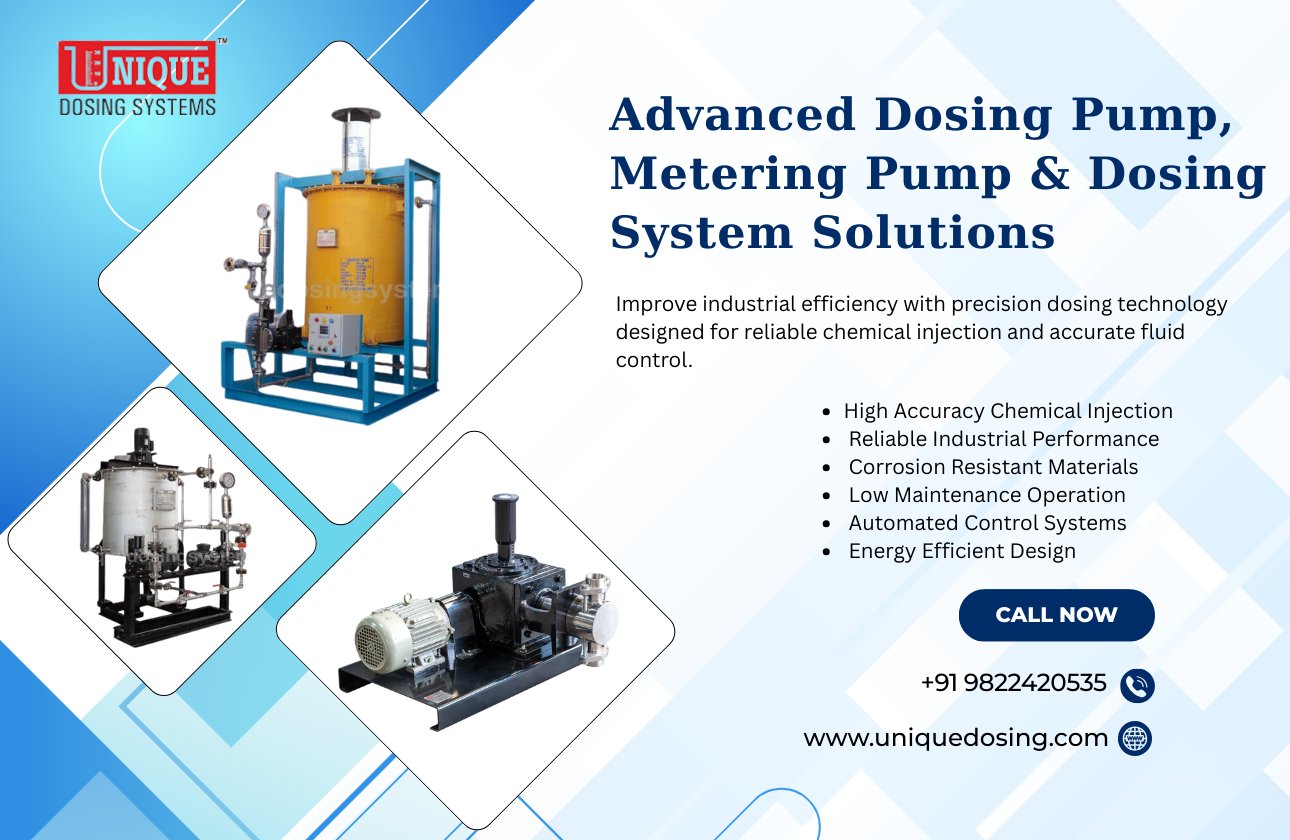
What is a Dosing Pump?
Dosing pumps are small, positive displacement pumps used to inject a chemical or another substance into a flow of water, gas, or steam. They are ideal for adding precise amounts of fluid to a production process. Typically used in industries like water treatment, pharmaceuticals, and food processing, dosing pumps are essential for ensuring accuracy and safety in chemical dispensation. These pumps usually operate automatically and can be controlled by a digital or analog signal. Their ability to deliver exact amounts makes them crucial for processes that require high precision and consistency.
Applications of Dosing Pumps
Dosing pumps find extensive applications across various industries. In water treatment, they help maintain water quality by dosing chemicals such as chlorine and algaecides. The pharmaceutical industry relies on these pumps for the precise mixing of chemicals. In food production, they are used to add ingredients like colorings or flavorings. Other sectors like agriculture, cosmetics, and manufacturing also benefit from their accuracy and efficiency. Industries that require consistent chemical concentrations and precise chemical dispersal can significantly benefit from using dosing pumps.
Benefits of Using a Dosing Pump
There are several advantages of using a dosing pump. The main benefits include precision, control, and automation. They offer ease of operation, reducing manual labor costs and potential human errors. The pumps can also be integrated with digital controls, enabling real-time monitoring and adjustments. By ensuring consistent and accurate dosage, they help enhance product quality and process efficacy while minimizing waste. Additionally, their robust design often means less maintenance and longer life spans, contributing to lower operating costs.
Types of Dosing Pumps
Several types of dosing pumps are available, each with its strengths. The most common are diaphragm pumps, which use a diaphragm and valves on either side to pump fluid. Peristaltic pumps are another type, which work via a rotating roller that pushes the fluid inside a flexible tube. There are also piston pumps, which drive a piston into a cylinder to move fluid. Choosing the right type depends on the specific application needs, chemical type, and fluid properties. Each type offers different advantages in terms of flow rate and precision, providing versatility across different sectors.
Choosing the Right Dosing Pump
Selecting the right dosing pump requires understanding your exact needs. Factors to consider include the chemical to be dosed, flow rate, pressure requirements, and the pump's material construction. It's essential to match the pump's material to the chemical's properties to avoid corrosion and breakdowns. Consulting with suppliers and manufacturers can offer insights into the best options for your specific situations. Many resources, like a comprehensive guide, are available to help in making informed choices.
Maintaining Dosing Pumps
Proper maintenance of dosing pumps ensures longevity and efficiency. Regular checks involve inspecting seals, checking for leaks, and ensuring valves operate smoothly. Routine cleaning procedures prevent blockages from debris or chemical build-up. Adhering to a maintenance schedule can prevent unexpected breakdowns and extend the pump's life. Employing a proactive approach rather than reactive maintenance helps in sustaining the pump's performance, reducing downtime, and saving costs.
Common Challenges with Dosing Pumps
While dosing pumps offer numerous benefits, there are common challenges faced. Issues like pump blockage, wear and tear, and chemical compatibility problems can arise. A proactive approach in maintenance, including regular calibrations and checks, usually mitigates these issues. Proper employee training can also play a critical role in quickly identifying and resolving potential problems, ensuring the smooth operation of the dosing system.
Importance in Precision Industries
In precision industries like pharmaceuticals and food processing, the value of dosing pumps cannot be overstated. They ensure the consistency and quality of the products by providing accurate dosing. This is vital for industries where even minor variations can significantly impact product quality. The integration of dosing pumps can enhance process efficiency and ensure product safety, a critical factor in maintaining industry standards and consumer safety.
Role in Water Treatment
In water treatment facilities, dosing pumps play a crucial role in maintaining water quality. They do so by accurately dosing chemicals like chlorine, coagulants, or conditioners to purify water. This precision ensures compliance with public health and safety regulations. By optimizing the chemical use, these pumps also help reduce operational costs and environmental impact. A detailed look at dosing systems provides deeper insights into their impact.
Eco-Friendly Aspect of Dosing Pumps
One of the lesser-highlighted benefits is the eco-friendliness of dosing pumps. By providing accurate and efficient chemical processing, dosing pumps minimize chemical wastage. This efficiency not only saves on costs but reduces the environmental footprint of the processes involved. Eco-friendly features also include energy-efficient operations and reduced chemical exposure risks, supporting sustainable practices in various industries.
Innovations in Dosing Pumps
As technology advances, so do dosing pumps. Modern pumps now feature enhanced digital controls, automated calibration, and smarter monitoring systems. These innovations enable real-time data collection and remote management, optimizing operational efficiency and reliability. Incorporating AI and IoT technologies further expands their capabilities, allowing for predictive maintenance and energy optimization, making them more reliable.
Frequently Asked Questions
1. How do I determine the right size dosing pump for my system?
Answer: Consider the flow rate and pressure requirements for your application to determine the right size. Consult manufacturer recommendations and use available tools to match pump specifications with your needs.
2. Can dosing pumps handle viscous fluids?
Answer: Yes, some dosing pumps, like diaphragm and piston pumps, are designed to handle a range of viscosities. Make sure to select a pump designed for your specific fluid characteristics.
3. How often should dosing pumps be maintained?
Answer: Regular maintenance is key, typically every three to six months, depending on usage and the chemicals involved. Follow manufacturer guidelines for specific intervals.
4. Are dosing pumps energy efficient?
Answer: Yes, dosing pumps are generally energy-efficient by design. They use precise amounts of energy to deliver precise volumes of chemicals, optimizing resource use.
5. What are the key differences between a dosing pump and a metering pump?
Answer: While often used interchangeably, dosing pumps are typically associated with smaller volume applications requiring high precision. Metering pumps might handle broader volume ranges and may not require the same level of precision.