
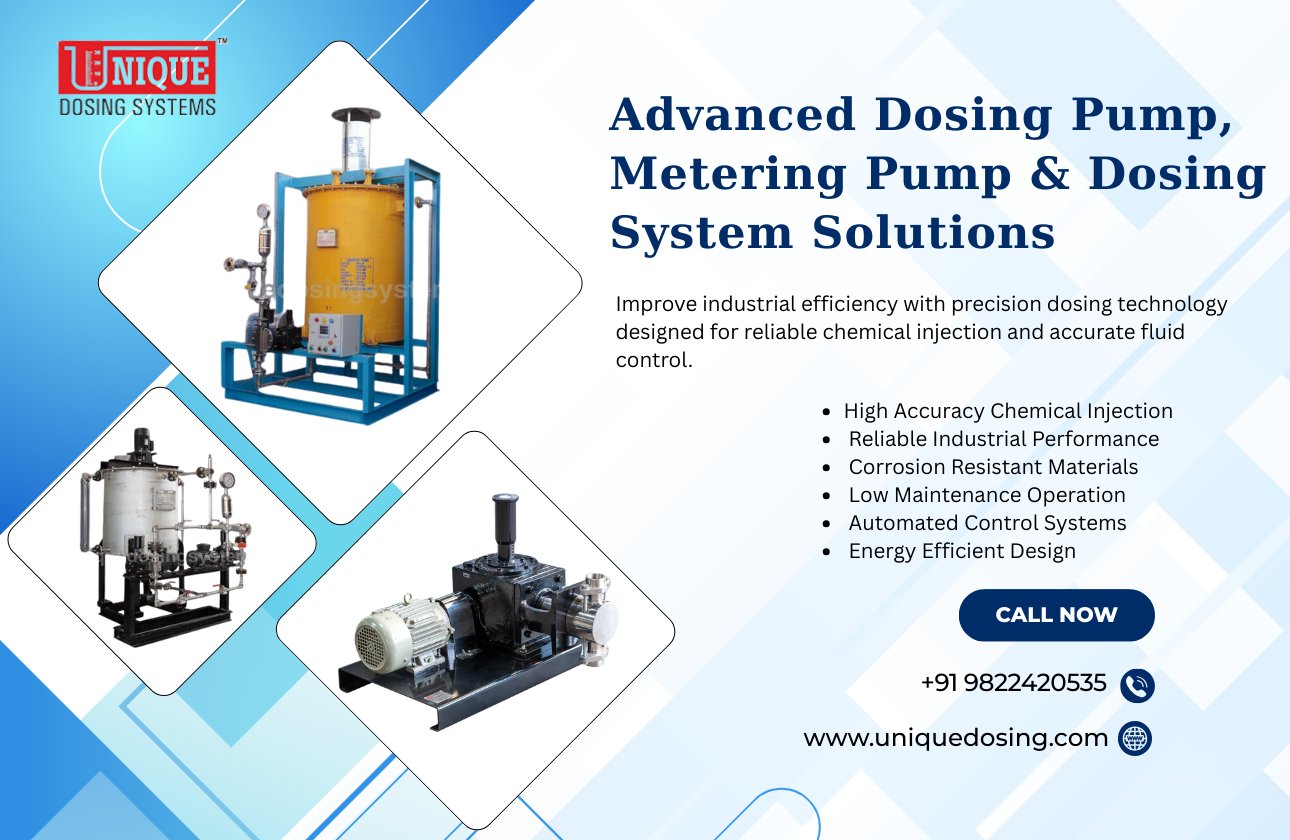
Introduction to Dosing Pumps
Dosing pumps are a fundamental piece of equipment in fluid management. These devices are specifically designed to dispense a precise amount of liquid into a processing environment. This capability makes them invaluable in various industries, including chemical processing, pharmaceuticals, and water treatment. A typical dosing pump functions by drawing fluid into a chamber, then dispensing it in controlled amounts. This precision is crucial in processes where the right amount of fluid has a significant impact on the outcome. Whether it's adding the perfect amount of chlorine to a swimming pool or ensuring the correct dosage of a drug in pharmaceuticals, dosing pumps offer consistency and reliability.
How Dosing Pumps Work
The functioning of dosing pumps is straightforward yet sophisticated. At their core, these pumps comprise a small motor or a pneumatic drive that powers a reciprocating piston or diaphragm within a chamber. As the piston or diaphragm moves, it draws fluid into the chamber through an inlet valve and then pushes it out through an outlet valve. This action allows for precise regulation of the flow rate. Different types of dosing pumps are available, including peristaltic pumps, diaphragm pumps, and piston pumps, each suited for particular applications based on the viscosity and chemical properties of the liquids being handled.
Types of Dosing Pumps
There are several types of dosing pumps, each tailored for specific needs and applications. Diaphragm dosing pumps are popular due to their ability to handle corrosive fluids and their low maintenance needs. These pumps operate via a diaphragm that creates a vacuum to draw in the liquid. Another type is the peristaltic pump, which works by compressing a tube to push liquid forward, making it ideal for handling liquids with particulates. Piston dosing pumps, meanwhile, are renowned for their durability and precision, often used in high-pressure settings. Choosing the right type depends on the specific requirements of your operation, including the fluid type and desired flow rate.
Applications of Dosing Pumps
Dosing pumps are deployed in a multitude of sectors, showcasing their versatility and importance. In the water treatment industry, they are employed to inject chemicals into water systems ensuring safe drinking water free from harmful bacteria. In agriculture, they help in the precise application of fertilizers and pesticides, which is crucial for crop health and yield. Within pharmaceutical production, dosing pumps ensure that medications contain accurate quantities of active ingredients. The food and beverage industry also benefits from these pumps by maintaining consistency in flavor and preservative concentrations.
Key Benefits of Using Dosing Pumps
The use of dosing pumps comes with several advantages that streamline operations across industries. One significant benefit is precision. These pumps can deliver exact amounts of fluid, which is critical in applications where accuracy is paramount. Another advantage is their efficiency in handling a range of fluid viscosities without blockages. Furthermore, dosing pumps help in reducing waste, as precise fluid delivery means less spillage and overuse. This aspect becomes particularly beneficial in sectors dealing with costly chemicals or ingredients.
Choosing the Right Dosing Pump
Selecting the right dosing pump requires a careful evaluation of operational needs and environment. Key considerations include the chemical compatibility of the pump materials with the fluids being handled, the required flow rate, operational pressures, and the specific environmental conditions, such as temperature and potential exposure to corrosive substances. It's also essential to consider the pump's maintenance requirements and ease of use. Engaging with knowledgeable manufacturers or suppliers can aid in making an informed decision. Resources like the guide to choosing the best dosing pumps manufacturers can provide further insights into making the right purchase.
Maintenance and Troubleshooting of Dosing Pumps
The longevity and efficiency of dosing pumps rely significantly on proper maintenance. Regular inspections and cleaning regimes are necessary to prevent the build-up of deposits, which can affect pump performance. It's also crucial to check hoses and seals for wear and replace them promptly. Troubleshooting common issues, such as leaks or inconsistent dosing, can often be traced back to worn components needing replacement or cleaning. Keeping a log of maintenance activities can be very helpful for identifying recurring problems and maintaining optimal pump performance.
Frequently Asked Questions
1. What are dosing pumps used for?
Answer: Dosing pumps are used in various industries to deliver a precise volume of liquid into a process or system. This precision is critical in applications like water treatment, pharmaceuticals, and food production, where accurate dosages are essential for safety and quality.
2. How do you choose the right dosing pump?
Answer: Selecting the right dosing pump involves considering the chemical compatibility of materials, required flow rate, operational pressure, and environmental factors like temperature. Consulting resources such as manufacturers' guides can also aid in making the best choice.
3. Are there different types of dosing pumps?
Answer: Yes, there are several types of dosing pumps, including diaphragm, peristaltic, and piston pumps. Each type serves different needs based on the nature of the fluid and specific application requirements.
4. How is maintenance performed on dosing pumps?
Answer: Maintenance of dosing pumps involves regular inspections, cleaning to prevent deposits, and checks of hoses and seals for wear. Prompt replacement of worn parts is vital to ensure efficient operation and avoid downtime.
5. What benefits do dosing pumps offer?
Answer: Dosing pumps offer precision, efficiency, and waste reduction benefits across various applications. They handle different viscosities without blockages and minimize spillages, which is crucial in industries dealing with expensive chemicals.