
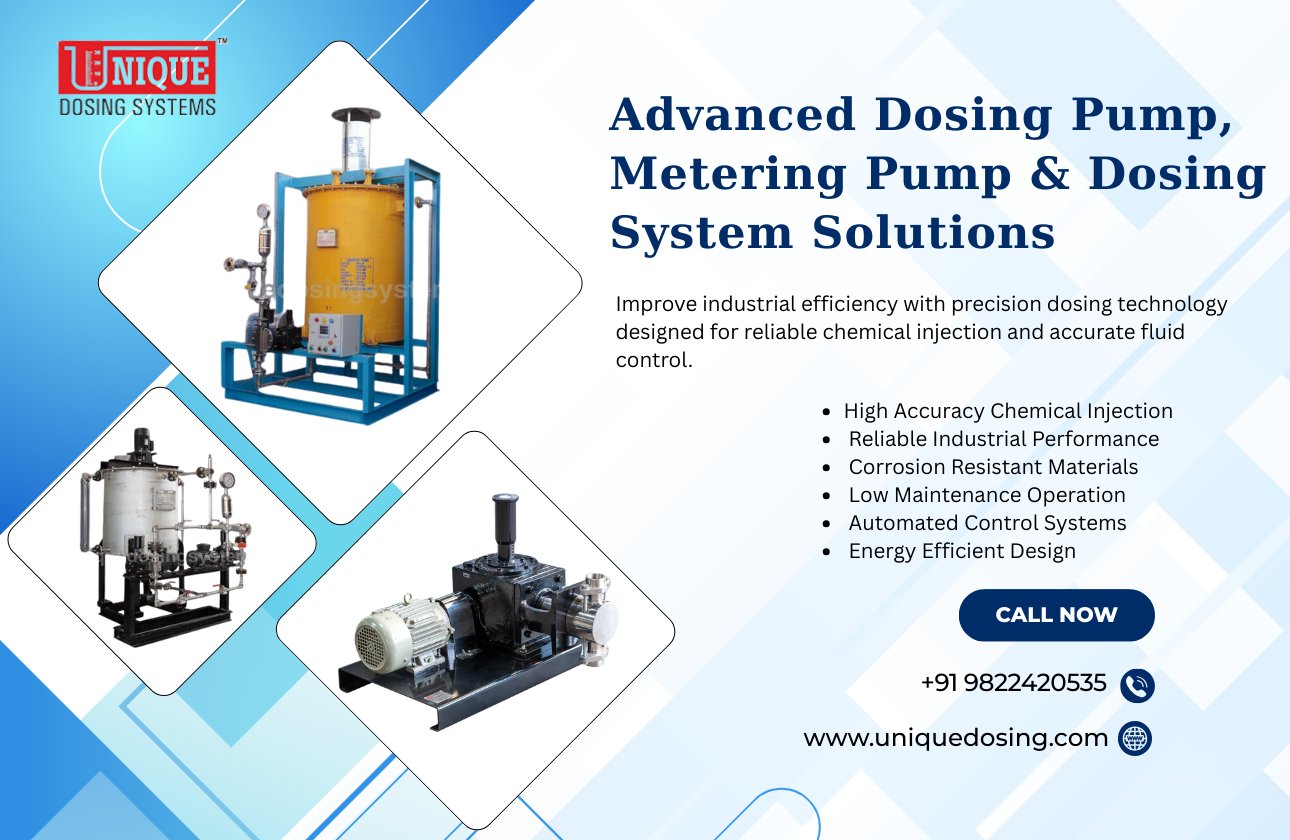
The Basics of Dosing Pumps
Dosing pumps are a type of pump that helps move fluid from one place to another in precise amounts. These pumps are essential in applications that require exact measurements of liquids, such as in chemical processing or water treatment. A dosing pump’s ability to deliver precise volumes makes it stand out in industries where accuracy is crucial. This high precision leads to better quality control and efficiency in various processes. Many industries, from pharmaceuticals to food production, rely on dosing pumps for this reason. If you're interested in a wide exploration of this topic, take a look at this deep dive into dosing pumps.
How Dosing Pumps Work
Dosing pumps operate through a process that translates rotary or reciprocating motion into fluid flow. A motor powers these motions, which in turn moves the liquids through a series of tubes or chambers. The key is the controlled flow, which distinguishes them from other types of pumps. Different mechanisms like diaphragm or peristaltic movement prevent leaks and maintain pressure consistently. This precise delivery is integral for sensitive processes like chemical mixing or pharmaceutical production. It turns out that familiarizing oneself with dosing systems is quite beneficial. Here's a complete guide to understanding them: complete guide to understanding dosing systems.
Applications Across Industries
Dosing pumps find applications across a numerous industries due to their capability of handling precise quantities of fluid. In the water treatment sector, they contribute essential chemicals to purify water. Meanwhile, in the food industry, they help add flavors or preservatives in controlled amounts. This versatility makes them indispensable for manufacturers who prioritize precise formulation. In the pharmaceutical industry, accuracy is more critical than ever, and dosing pumps provide unparalleled consistency. Understanding the application in various fields is central to optimizing use and achieving better output. Learn more about their role in India’s manufacturing sector by exploring this guide to dosing pumps in India.
Importance of Accurate Dosing
Accuracy is the cornerstone of dosing pump functionality. Incorrect dosing can lead to issues like material waste, subpar product quality, and regulatory non-compliance. Hence, many industries invest in state-of-the-art dosing pumps to ensure that the rate of fluid delivery is as precise as possible. Engineers often choose dosing pumps with built-in sensors to provide real-time measurement, further improving their accuracy. Lowering risks and increasing efficiency are benefits that should not be overlooked. Discover how dosing systems and pumps contribute to modern technological advancements for your needs.
Maintenance for Longevity
Maintaining dosing pumps is essential for ensuring their effective long-term use. Regular inspections help identify wear and tear, preventing costly breakdowns. Maintenance routines often include checking seals and other moving parts for signs of fatigue. Cleaning and part replacement are usually straightforward processes, making maintenance manageable and cost-effective. Properly maintained pumps deliver greater reliability and efficiency, which in turn lowers operational costs. Due to these advantages, professionals prioritize regular servicing of dosing systems. If you're looking to comprehend how metering systems and dosing pumps function in everyday applications, learn more about them in this practical overview of dosing systems.
Choosing the Right Dosing Pump
Selecting a dosing pump involves considering various factors such as the type of fluid, the required flow rate, and the desired precision level. Understanding these parameters ensures that you pick a pump that meets your specific needs. Different industries might require pumps with particular features, like chemical resistance or high-pressure capabilities. With so many options available, guidance is often sought from professionals or comprehensive guides. Selecting the right dosing system ensures smooth operations, efficiency, and higher ROI. Check out this resource for insights into choosing the best dosing pumps manufacturers.
The Future of Dosing Pumps
The future of dosing pumps is set to expand as technology evolves. The integration of smart technology allows for better monitoring and control in real-time, resulting in even higher accuracy. Environmental considerations also pave the way for more energy-efficient models. These futuristic advancements promise to broaden the scope of dosing pumps in emerging fields like biosciences and renewable energy. Companies continue investing in research and development to push the boundaries of what dosing pumps can achieve. To explore these exciting developments further, considering their impact, visit this comprehensive guide to dosing and metering pumps.
Frequently Asked Questions
1. What is the main purpose of a dosing pump?
Answer: The primary purpose of a dosing pump is to deliver specific quantities of fluid at controlled intervals, improving process accuracy. They are used extensively in chemical processing, water treatment, and the food industry to ensure precise fluid delivery.
2. How do you maintain dosing pumps?
Answer: Regular maintenance of dosing pumps involves frequent inspections, cleaning of parts, and checks on seals and moving components. Adhering to maintenance schedules can help prolong the pump's life and ensures optimal functioning.
3. What industries benefit most from dosing pumps?
Answer: Some of the industries that widely use dosing pumps include pharmaceuticals, agriculture, water treatment, and food processing. These pumps provide critical accuracy, improving product quality and efficiency across several operations.
4. Are dosing pumps suitable for handling all types of fluids?
Answer: While dosing pumps are versatile, the type of fluid being handled is crucial. It’s important to choose a pump made from materials that resist toxic or corrosive fluids so as to not damage the pump or impact its performance.
5. Is there a future for dosing pumps in the era of smart technology?
Answer: Definitely. The integration of smart technology with dosing pumps is already underway, offering real-time automation and control to boost precision and efficiency across multiple industries. The adoption of IoT and AI continues to pave the way for advanced analytical capabilities.