What is a Dosing System?
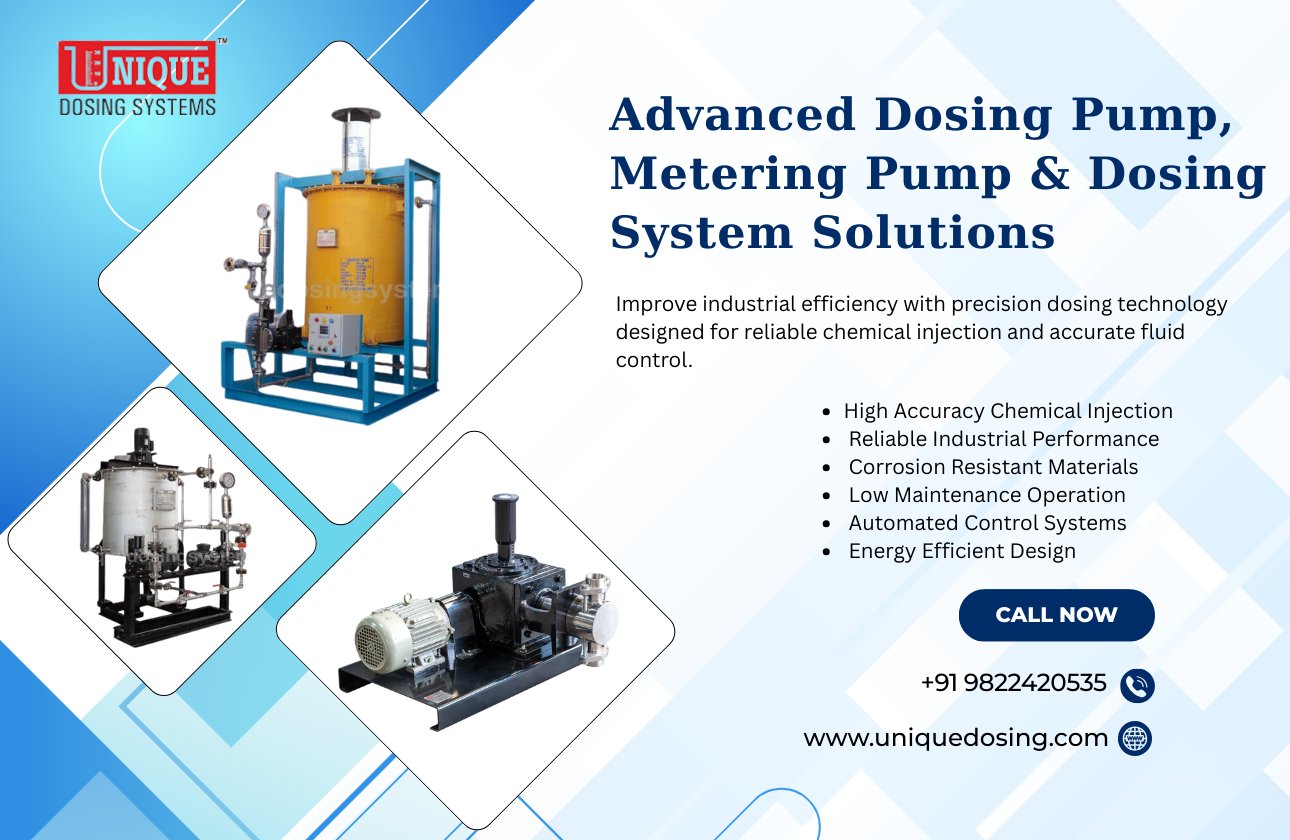
Dosing systems are essential components in many industries, providing precise control over the flow and measurement of liquid chemicals. These systems allow for the accurate delivery of fluids in a variety of applications, including water treatment, pharmaceuticals, and food processing. By maintaining the exact amount of a substance needed, dosing systems ensure efficient and safe operations. They work by using a pump and other mechanisms to dispense a pre-determined volume of liquid, be it chemicals, nutrients, or other solutions, into a process stream or other mediums.
Types of Dosing Systems
There are several types of dosing systems, each suited to different purposes and applications. The main types include gravimetric dosing systems, volumetric dosing systems, and time-based systems. Gravimetric systems measure the amount of liquid through weight, ensuring high accuracy, while volumetric systems determine dosage by measuring volume. Time-based systems, on the other hand, dispense liquids based on time intervals. Each type has its advantages and is chosen based on the precision required and the specific industry needs. Learn more about each dosing system type here.
Components of Dosing Systems
The main components of a dosing system include pumps, tanks, and control units. Pumps are used to move the chemical into the system, and they vary from diaphragm to peristaltic types. Tanks store the chemical and need to be chemically compatible with the substance being dosed to avoid corrosion or damage. Control units manage the operation of the pumps, ensuring the correct amount of liquid is dosed. These components work together to provide a seamless and reliable dosing system that can meet rigorous industry standards.
Applications of Dosing Systems
Dosing systems are incredibly versatile and are used across multiple industries. In the water treatment industry, they add chemicals to purify water, ensuring safety and compliance with health standards. The food industry uses dosing systems to accurately measure ingredients, contributing to consistent taste and quality. In pharmaceuticals, they ensure the right quantity of medication is produced. Explore the various applications of dosing systems here.
Benefits of Using Dosing Systems
The main advantages of using dosing systems include accuracy, efficiency, and safety. Their precision ensures that chemicals are delivered in the exact amounts, enhancing process consistency and reducing waste. This efficiency also saves costs and resources by minimizing overuse and spillage of expensive substances. Furthermore, dosing systems enhance safety by automating processes that can be harmful if not handled correctly.
How to Maintain a Dosing System
Proper maintenance of a dosing system is paramount to ensure its longevity and performance. Routine checks of the system's components, such as pumps and control units, are necessary to ensure they are in good working condition. Regular cleaning of tanks and checking for any damage can prevent the system from malfunctioning. Moreover, recalibrating the system to account for any changes in the chemicals used or the surrounding environment can help maintain accuracy. Get more maintenance tips here.
Challenges Faced in Dosing Systems
Despite their advantages, dosing systems face several challenges. Calibration errors, wear and tear of mechanical parts, and chemical compatibility issues can impact the system’s effectiveness. Moreover, maintaining a dosing system in harsh environments or with corrosive chemicals can be difficult without adequate protection and regular maintenance. Addressing these challenges requires a deep understanding of the system and its components, alongside reliable support from manufacturers.
Selecting the Right Dosing System for Your Needs
Choosing the right dosing system is crucial for optimizing processes and ensuring that operations run smoothly. Key considerations include the type of chemical being dosed, precision needs, and the scale of the application. For instance, industries requiring fine-tuned dosage will prefer gravimetric systems, whereas simpler processes could utilize volumetric systems. Consulting with industry experts or manufacturers can guide you in making an informed decision. Read more on choosing the right system.
Innovations in Dosing Systems
The technology behind dosing systems continues to evolve, integrating smart technologies and automation for more efficient systems. Advanced control systems now allow for remote monitoring and adjustments, increasing convenience and reducing the necessity for on-site supervision. These innovations help improve accuracy and efficiency, making dosing systems more reliable than ever before. The future of dosing systems looks promising, with ongoing developments aimed at further automating the dosing process and enhancing overall precision. Discover the latest innovations in dosing systems.
Frequently Asked Questions
1. What industries use dosing systems?
Answer: Dosing systems are used in various industries including water treatment, food processing, pharmaceuticals, and agriculture. Each application requires specific types of dosing systems based on their dosing needs and chemical types.
2. How do dosing systems ensure safety?
Answer: Dosing systems enhance safety by automating the delivery of chemicals and reducing the need for manual handling, which can mitigate risks associated with handling hazardous substances.
3. Can dosing systems handle multiple types of chemicals?
Answer: Yes, dosing systems can be designed to handle multiple types of chemicals, provided they are made from compatible materials that can withstand different chemical properties.
4. What are common issues in dosing systems?
Answer: Common issues include pump failures, leakage, calibration errors, and compatibility problems with chemicals. Regular maintenance and proper installation can help address these issues effectively.
5. How do I choose the right dosing system?
Answer: To choose the right dosing system, consider factors like chemical type, dosing precision required, application scale, and more. Consult with manufacturers and industry experts to guide your decision. Learn more about choosing the right system here.