Introduction to Metering Pumps
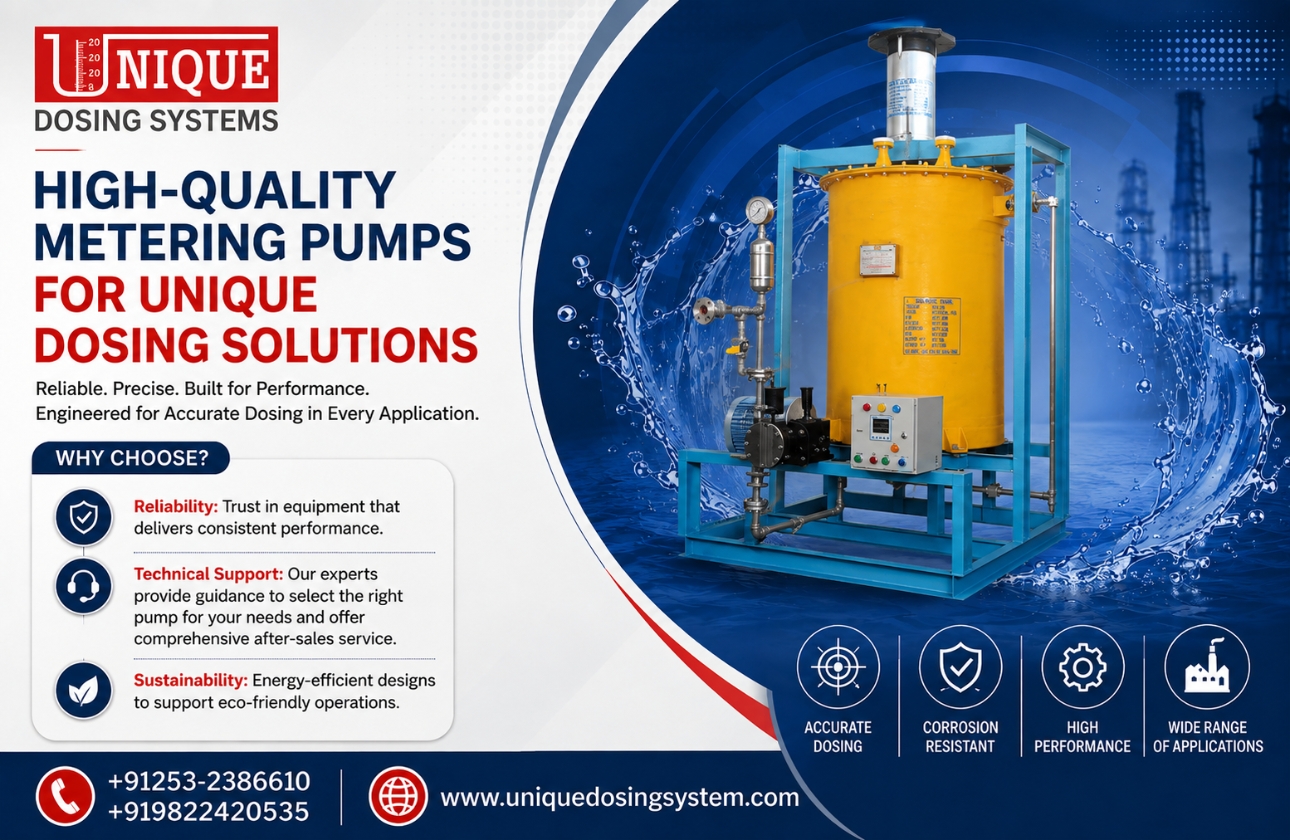
Let's start with the basics. Metering pumps are devices specifically designed to move precise volumes of liquids over a specific time period. The key to metering pumps is their ability to do this with high accuracy, making them ideal for industries where precision is essential, like chemical manufacturing, pharmaceuticals, and water treatment. These pumps offer a high degree of control, allowing operators to tweak the flow rate to match exact process requirements.
How Metering Pumps Work
Understanding the working mechanism of a metering pump is crucial for making informed choices. Generally, metering pumps use a mechanism of positive displacement that involves a moving component, like a diaphragm or a piston, to create pressure. This pressure moves the liquid from the pump inlet to the outlet. The unique design allows them to pump out a specific amount of liquid with each action, which is why they are often called dosing pumps. Their ability to provide controlled, repeatable dosing is what makes them indispensable in numerous applications.
Types of Metering Pumps
When it comes to types, metering pumps are not one-size-fits-all. There are several varieties, each suited to different needs. Primarily, you will find diaphragm pumps, piston pumps, and peristaltic pumps. Diaphragm pumps are popular due to their isolation of the pumping element from the fluid, reducing the chances of leakages. Piston pumps, while great for high-pressure applications, require more maintenance to prevent wear. Meanwhile, peristaltic pumps are excellent for handling slurries and viscous fluids.
Applications of Metering Pumps
You might wonder where these pumps are used. Metering pumps are versatile and can be found in many industries. In water treatment, they are used to introduce precise amounts of chlorine or pH control agents. Chemical manufacturers employ them for adding exact quantities of ingredients. Pharmaceuticals use them for mixing medications accurately. Such precise control is essential for product quality and efficiency, making metering pumps a crucial component in these fields.
Benefits of Using Metering Pumps
Why should anyone consider using metering pumps? Well, the benefits are plentiful. They ensure accuracy and consistency in fluid handling tasks. This accuracy minimizes waste and increases efficiency, leading to cost savings in the long run. Furthermore, adopting metering pumps can improve product quality, as they help in maintaining consistency throughout the production process. Their ability to handle corrosive and toxic substances safely is another compelling advantage. Metering pumps not only optimize operations but also enhance safety.
Challenges in Using Metering Pumps
While metering pumps are highly effective, they come with certain challenges. Maintenance is one such consideration. Regular checks are needed to ensure that seals and valves are functioning well, especially in aggressive chemical environments. Users must also consider the initial investment costs, though these are often offset by long-term savings. Selecting the right type and size of pump for a specific application can be intricate, requiring a thorough understanding of the system being managed.
Selecting the Right Metering Pump
Choosing the best metering pump involves evaluating specific needs. First, determine the fluid properties, such as viscosity and corrosiveness. Then, consider the required flow rate and pressure. Next, account for operating conditions, including temperature and environmental factors. Armed with this information, one can utilize resources like the Comprehensive Guide to Metering Pumps to make an informed selection. Partnering with a reputable manufacturer also ensures you receive expert advice tailored to your needs.
Maintaining Metering Pumps
Careful maintenance extends the life of metering pumps. Regular inspections and cleanings help prevent wear and tear. It's vital to replace cracked or worn diaphragms and seals promptly to avoid leaks. Checking for any unusual noises and erratic behavior can catch small issues before they turn into larger problems. By keeping an eye on your equipment, operational efficiency remains high, further supporting cost-effective production.
Innovations in Metering Pumps
The metering pump industry is always evolving, with new technologies enhancing performance and reliability. From digital control options that allow for remote operation to materials that better resist corrosion, innovations aim to meet the rigorous demands of modern applications. Advanced monitoring systems predict maintenance needs, minimizing downtime. These technological improvements pave the way for broader application possibilities and increased efficiency.
Choosing Manufacturers for Metering Pumps
Selecting the right manufacturer is just as important as choosing the right pump. A reliable manufacturer will offer high-quality products and excellent customer support. They will also provide comprehensive information and resources to help you optimize pump performance. For those new to this equipment, guides like the Comprehensive Guide to Choosing the Best Dosing Pumps Manufacturers can provide invaluable insights.
Frequently Asked Questions
1. What are metering pumps used for?
Answer: Metering pumps are used to accurately dispense precise volumes of liquid over specific periods. They find applications in industries like water treatment, pharmaceuticals, and chemical manufacturing.
2. How do I choose the right metering pump?
Answer: To choose the right metering pump, consider the fluid's properties, required flow rate, and the operating environment. Guidance from a comprehensive metering pump resource can aid in making the best choice.
3. Can metering pumps handle corrosive fluids?
Answer: Yes, many metering pumps are designed to handle corrosive fluids by using materials resistant to chemical wear. It’s crucial to choose pumps appropriate for the specific chemical being handled.
4. How do metering pumps ensure accuracy?
Answer: Metering pumps ensure accuracy through their positive displacement mechanism, which allows for precise control over fluid flow, ensuring consistent and repeatable dosing.
5. What maintenance do metering pumps require?
Answer: Regular maintenance involves inspecting seals and diaphragms for wear, cleaning parts to prevent blockages, and checking for any unusual operation sounds to ensure ongoing accuracy and reliability.