What Are Metering Pumps?
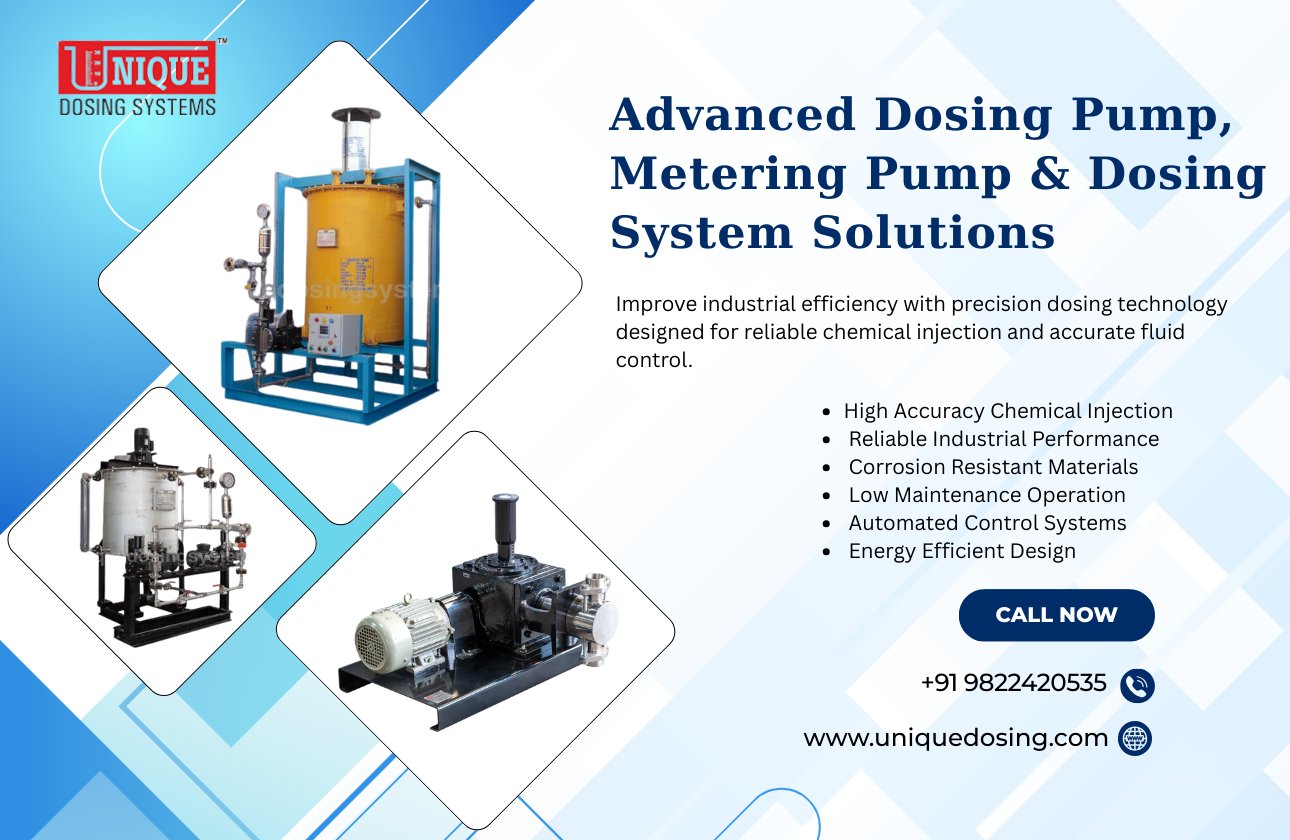
Metering pumps, also known as dosing pumps, are devices designed to move precise volumes of liquid over a specific time frame, providing accurate flow rates. Typically, they are used for chemical dosing and are vital in ensuring the right proportion of liquid is delivered consistently. These pumps play a crucial role in processes where precision is non-negotiable, such as in water treatment, food processing, and pharmaceuticals.
How Do Metering Pumps Work?
The working principle of a metering pump is relatively straightforward. It involves the movement of a diaphragm, plunger, or piston within a chamber. Each stroke of the piston or diaphragm displaces a consistent amount of liquid. By adjusting the stroke length or speed, the pump can deliver an accurate volume. For a more in-depth explanation, you can refer to this guide on metering pumps.
Applications of Metering Pumps
Metering pumps are versatile and find applications across various industries. In the chemical industry, they ensure the precise injection of chemicals. In agriculture, they help with the accurate delivery of fertilizers and pesticides. Water treatment plants rely on these pumps for dosing coagulants and corrosion inhibitors. Learn more about their applications here.
Benefits of Using Metering Pumps
One of the main advantages of using metering pumps is their accuracy. They reduce waste and ensure consistency in processes requiring exact dosing. Additionally, these pumps are designed to handle a variety of liquids, from corrosive to viscous, making them adaptable to many environments. Their precision helps in reducing production costs and maintaining product quality. For insights on maximizing efficiency, check out this resource.
Choosing the Right Metering Pump
Selecting a metering pump involves considering factors such as the type of liquid, flow rate requirements, pressure conditions, and temperature. It’s important to match the pump's design with the specific needs of your application to ensure optimal performance. Manufacturers offer a range of models suited for different tasks. For guidance, read about choosing the best manufacturers.
Frequently Asked Questions
1. What is the main purpose of a metering pump?
Answer: Metering pumps are primarily used to dispense precise volumes of liquid, ensuring accurate dosing which is essential in various applications like water treatment, agriculture, and chemical processing.
2. How do I determine the appropriate metering pump for my needs?
Answer: Consider the chemical compatibility, required flow rate, pressure, and the environmental conditions of your application. Consulting with a manufacturer or referring to detailed guides can be beneficial.
3. Can metering pumps handle viscous fluids?
Answer: Yes, many metering pumps are designed to handle viscous and even aggressive fluids. It's important to select a pump that is compatible with the fluid's specific properties.
4. Are metering pumps energy efficient?
Answer: Generally, metering pumps are energy efficient as they are designed to deliver precise amounts of fluid, minimizing waste and reducing the need for excessive energy consumption.
5. What maintenance is required for metering pumps?
Answer: Regular maintenance involves checking the seals, diaphragms, and pistons for wear and tear, ensuring no blockages or leaks, and cleaning components as needed to prolong the pump's lifespan.