What Are Metering Pumps?
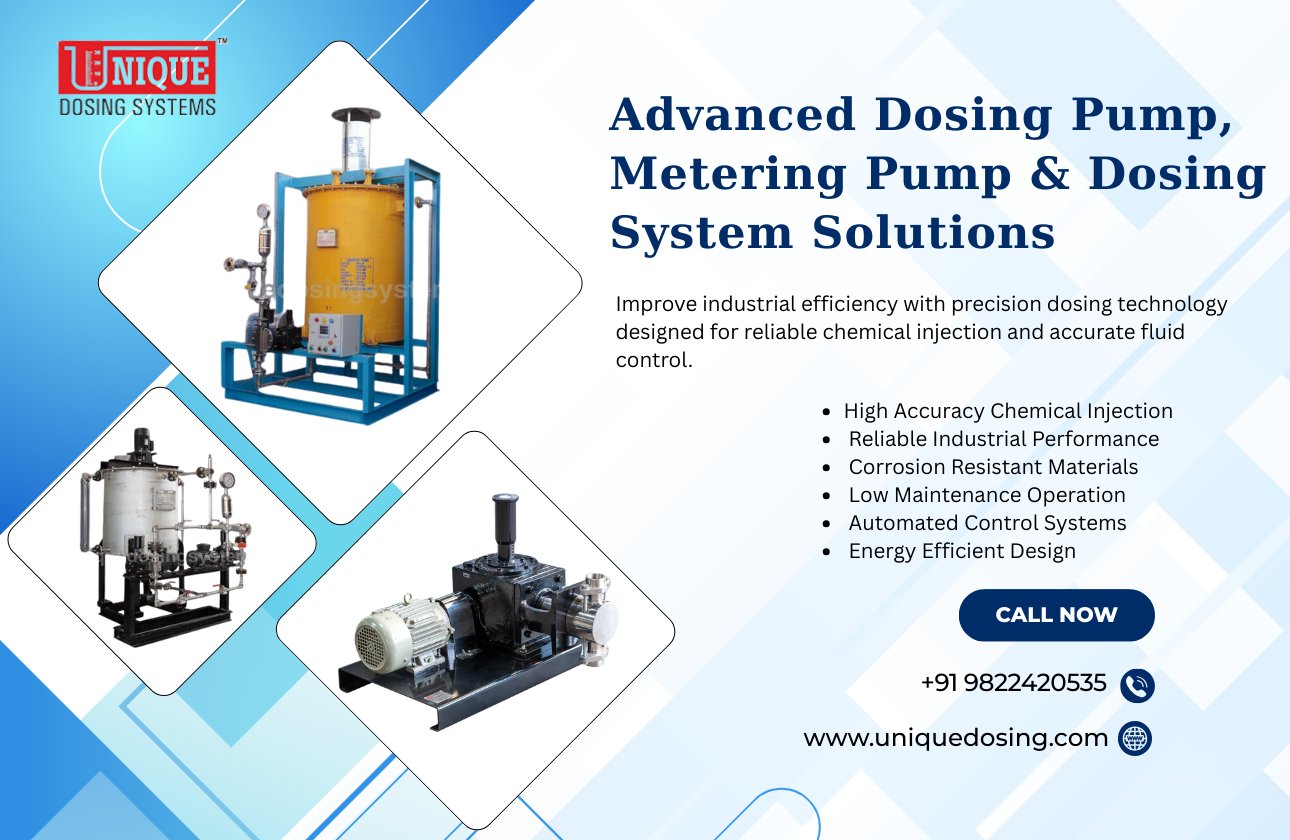
Metering pumps are a type of pump used to move precise volumes of liquid, typically used in applications where the precise flow rate is vital. The ability to move fluids at exactly controlled rates makes these pumps essential in industries like chemical manufacturing, food processing, water treatment, and pharmaceuticals. The primary function of a metering pump is to ensure that every process requiring fluid management is finished with precision. They usually consist of a controller, a pump head, and a power system. The controller can vary the flow rate, allowing operators to control the amount of liquid being dispensed. This ability to be accurate in fluid measurement is especially critical in processes that rely on the correct chemical mixing or precise dosing.
How Do Metering Pumps Work?
The operation of metering pumps is based on the principle of positive displacement. The pump draws in a precise volume of liquid during the suction phase and then discharges it at the same precise volume during the discharge phase. This cycle keeps repeating, allowing for continuous and accurate fluid management. Metering Pumps often use mechanical mechanisms to adjust the stroke length or the speed of the pump, thereby allowing the user to vary the flow rate. This way, metering pumps ensure consistency and reliability in applications where volume specifications must be met. Advanced models might also interface with digital control systems, enabling automation and remote operation.
Different Types of Metering Pumps
There are several types of metering pumps, each designed to meet specific operational needs. The most common types include diaphragm pumps, piston pumps, and peristaltic pumps. Diaphragm pumps use a diaphragm and valves on either side to pump a fluid. They are perfect for corrosive or hazardous fluids because they have little to no leakage. Piston pumps, also known as plunger pumps, use a piston mechanism to push and pull fluids through the system. They provide high pressure, making them suitable for heavy-duty applications. Peristaltic pumps work by compressing and relaxing a hose to move fluids along; they're excellent for applications requiring a quick change of the pumping element, such as in laboratory settings. Each type has its unique benefits and is chosen based on the specific needs of your process.
Applications of Metering Pumps
The versatility of metering pumps makes them valuable across many sectors. In Dosing Applications, particularly in water treatment plants, they help in adding small but accurate doses of chemicals into water streams. They are also heavily utilized in the pharmaceutical industry to deliver precise doses of medications or chemical solutions in the manufacturing process. In the food industry, metering pumps ensure that food and beverage products are consistently flavored or preserved with precise amounts of additives. Additionally, they play critical roles in laboratories where sensitive experiments require exact material handling.
Key Benefits of Using Metering Pumps
One of the primary advantages of metering pumps is their accuracy and precision. With a comprehensive understanding of fluid controls, these pumps significantly reduce the risk of errors in dosing and mixing. Such precision not only improves product quality but also ensures safer operations, especially when handling hazardous chemicals. Additionally, metering pumps are designed to handle a wide range of viscosities and temperatures, making them highly versatile. This adaptability and the durable materials used for construction prolong their lifespan, leading to cost savings.
Choosing the Right Metering Pump
Picking the appropriate metering pump involves understanding your specific process requirements. The first consideration is the chemical compatibility, ensuring that the pump materials do not react adversely with the fluid being pumped. Secondly, the flow rate and pressure that the pump must achieve are crucial parameters. Environmental factors such as temperature and potential exposure to corrosive elements might also influence the choice. Consulting with suppliers and manufacturers can provide in-depth insights to find a suitable solution for your needs. A valuable resource such as this comprehensive guide can be highly beneficial.
Maintenance and Care for Metering Pumps
Meticulous care and regular maintenance go a long way in extending the life of your metering pumps. Regular inspections for wear and tear, especially in moving parts and seals, are vital. Cleaning the pump and ensuring that it runs in its designated environment also help in maintaining its efficiency. It's crucial to follow manufacturer-recommended practices for service and troubleshooting. Having a spare parts inventory and conducting periodic training for operators can minimize downtime and maintain performance. Guides such as A Simple Guide to Understanding Metering Pumps can be an excellent aid for maintenance tips.
Frequently Asked Questions
1. Are metering pumps the same as dosing pumps?
Answer: The terms are often used interchangeably, but technically, metering pumps are a subtype of dosing pumps. All metering pumps are dosing pumps, but not all dosing pumps are metering pumps. Metering pumps specifically focus on precision and continuous application.
2. Can metering pumps handle corrosive fluids?
Answer: Yes, most metering pumps are designed to handle corrosive fluids. However, choosing the right materials like PTFE or stainless steel for wetted parts is crucial for handling specific corrosive liquids.
3. What does the term 'turn-down ratio' mean in metering pumps?
Answer: The turn-down ratio of a metering pump is the range of flow rates the pump can achieve relative to its maximum flow rate. A higher turn-down ratio indicates a more versatile pump.
4. How often should metering pumps be calibrated?
Answer: Metering pumps should ideally be calibrated every six months or in accordance with the manufacturer's recommendations, especially when precision in fluid delivery may impact quality or safety.
5. What is the significance of a digital control in metering pumps?
Answer: Digital controls allow precise control of the pump's operations, enabling automatic adjustments, remote monitoring, and automation of complex processes, which enhances operational efficiency.