What are Dosing Systems?
Dosing systems are used in various industries to accurately and efficiently add specific amounts of fluids to different processes. These systems can handle liquids, gases, or even solids in some cases. Common industries that use dosing systems include water treatment plants, chemical manufacturing and food processing facilities. The main goal of a dosing system is to ensure the precise measurement and delivery of a substance, helping improve quality and consistency as well as reduce waste. A well-functioning dosing system is critical for maintaining process integrity and ensuring safety. If you're interested in learning more about basics and functions, you can explore this complete guide to understanding dosing systems.
Components of a Dosing System
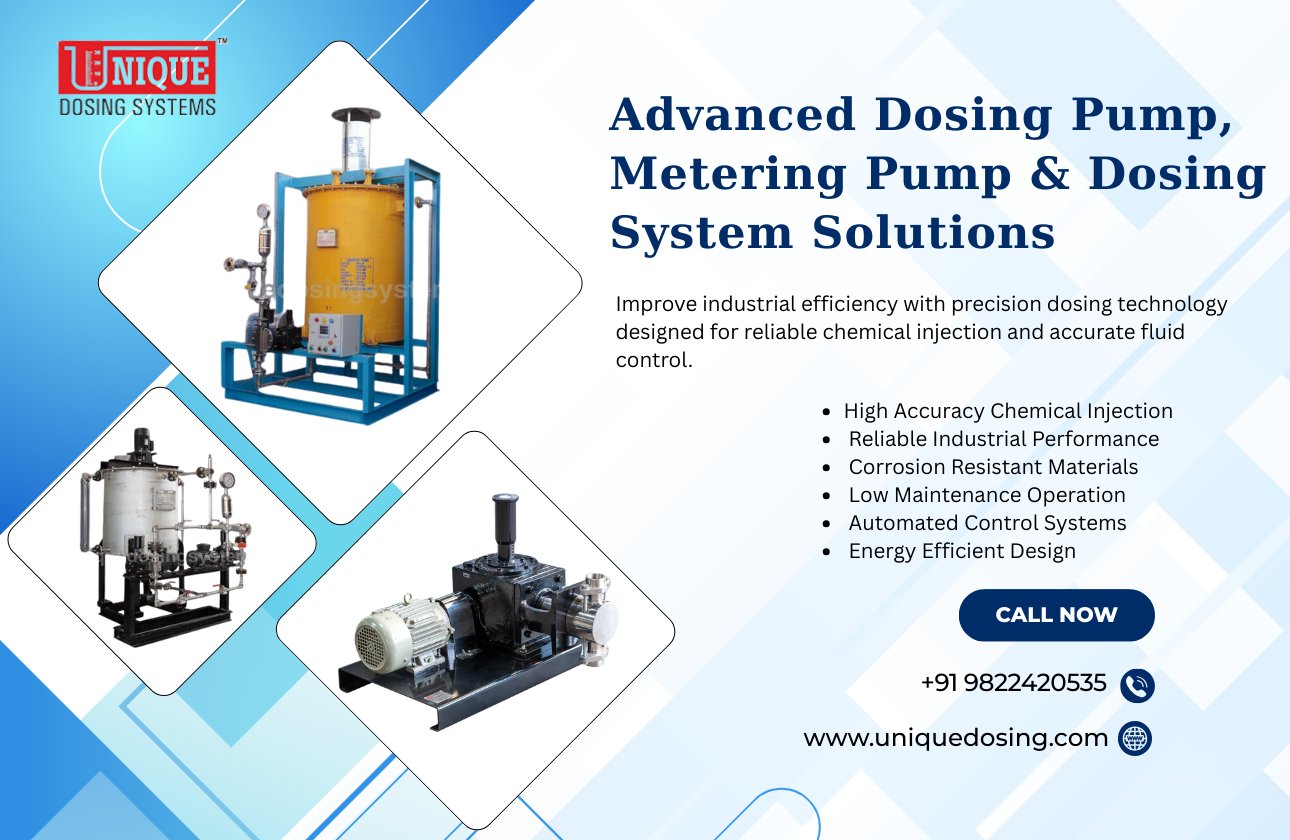
Each dosing system generally includes a few essential components: a pump, a controller, and a dosing tank containing the chemical or substance to be dosed. The type of pump used can vary based on the application—common types include diaphragm, peristaltic, and piston pumps. The controller is responsible for regulating the amount of substance that is dosed, and it often comes equipped with advanced features such as programmable logic controllers (PLCs) for more complex operations. Dosing tanks safely store the chemicals and are made from materials that are compatible with the substances they hold. By understanding these components, users can effectively manage dosing system operations and troubleshoot any issues that arise.
Applications of Dosing Systems
Dosing systems have a wide range of applications across several industries. In water treatment, they are used to add chlorine or other disinfectants to ensure the water is safe for consumption. In the food industry, these systems help in adding ingredients with precision to maintain consistent product quality. Chemical manufacturing employs dosing systems for mixing and diluting chemicals. In pharmaceutical production, they are integral for ensuring the correct formulation of drugs. The applications highlight how versatile and essential dosing systems are across different sectors, meeting various industrial needs while supporting process efficiency.
Benefits of Using Dosing Systems
Using dosing systems comes with numerous advantages. Firstly, they enhance process efficiency by automating the precise dosing of materials, significantly reducing human error. This precision leads to improved product quality and consistency. Additionally, dosing systems help in minimizing waste, ensuring that only the necessary amount of material is used. Cost savings are another notable benefit, as the efficient use of chemicals reduces the overall operational expenses. Furthermore, these systems can often work round the clock, providing uninterrupted operation. For a more detailed overview of their benefits, check out how skid-mounted dosing systems can enhance operations.
Challenges in Dosing Systems
Despite their numerous benefits, dosing systems also come with challenges. One of the primary concerns is the need for regular maintenance to ensure accuracy and prevent downtime. Incorrect calibration or component failure can lead to inaccurate dosing, which can disrupt entire production lines. The need for skilled personnel to oversee and troubleshoot these systems is another challenge. Industries must balance technological advantages against the cost and effort required to maintain dosing systems at peak performance. Addressing these challenges proactively can help in realizing their full potential.
Selecting the Right Dosing System
Choosing the right dosing system is crucial for ensuring operational success. Factors to consider include the type of material being dosed, the required flow rate, and the system's compatibility with other existing processes. It's also important to assess the system's ease of integration and automation capabilities to enhance productivity. Consulting with manufacturers or specialists who understand the specific requirements of your application can be highly beneficial. For insights on selecting a dosing system manufacturer, this guide offers valuable pointers.
Maintenance of Dosing Systems
Routine maintenance is essential for the optimal performance of dosing systems. Regular checks should be carried out to ensure that all components such as pumps, controllers, and tanks are in good condition and operating efficiently. Calibration checks should also be part of the maintenance routine to ensure that the dosing is accurate. It's advisable to keep a maintenance log for future reference and troubleshoot potential issues before they escalate. Understanding the manufacturer's recommended maintenance schedule can aid in maintaining system longevity and effectiveness.
Advanced Features in Modern Dosing Systems
The latest dosing systems come equipped with advanced features aimed at enhancing precision and efficiency. Modern dosing systems often include digital interfaces, remote monitoring capabilities, and integration with other industrial systems through the Internet of Things (IoT). Such features allow for more precise control and the ability to monitor system performance in real-time. Incorporating these advanced features into dosing systems can revolutionize operations by optimizing resource use and improving overall efficiency. For a deep dive into these modern advancements, take a look at the revolutionizing precision.
Future Trends in Dosing Systems
As industries continue to evolve, the demand for more efficient and intelligent dosing systems is expected to grow. Emerging trends include the integration of artificial intelligence to automate complex dosing processes and predictive maintenance tools to foresee potential issues before they occur. Additionally, eco-friendly systems are gaining attention as industries focus more on sustainability. The future looks set to bring innovations that will further enhance the capabilities of dosing systems, making them indispensable tools across various sectors.
Frequently Asked Questions
1. What is the primary purpose of dosing systems?
Answer: The primary purpose of dosing systems is to deliver precise amounts of a substance into a process to ensure consistency, quality, and efficiency. They are vital in sectors like water treatment, food processing, and pharmaceuticals where precision is essential for product safety and quality.
2. What components are essential in a dosing system?
Answer: Essential components include a dosing pump, a controller, and a tank for storing the chemical or product to be dosed. Each component plays a crucial role in ensuring the accuracy and efficiency of the dosing system.
3. How do I choose the right dosing system for my application?
Answer: Consider factors such as the type and viscosity of the material to be dosed, the required flow rate, the complexity of the system integration, and any specific industry standards or certifications required. Consultation with reliable manufacturers can also provide valuable insights.
4. What are the common challenges in maintaining dosing systems?
Answer: Maintenance challenges can include calibration issues, component wear and tear, and the need for skilled personnel to operate and troubleshoot the systems. Regular maintenance checks are essential to avoid disruptions in operations.
5. How do modern dosing systems benefit from advanced features?
Answer: Advanced features such as digital interfaces, IoT capabilities, and real-time monitoring allow for improved precision, reduced manual intervention, and better integration with larger processes. These advancements lead to increased efficiency and lower operational costs.