What is a Metering Pump?
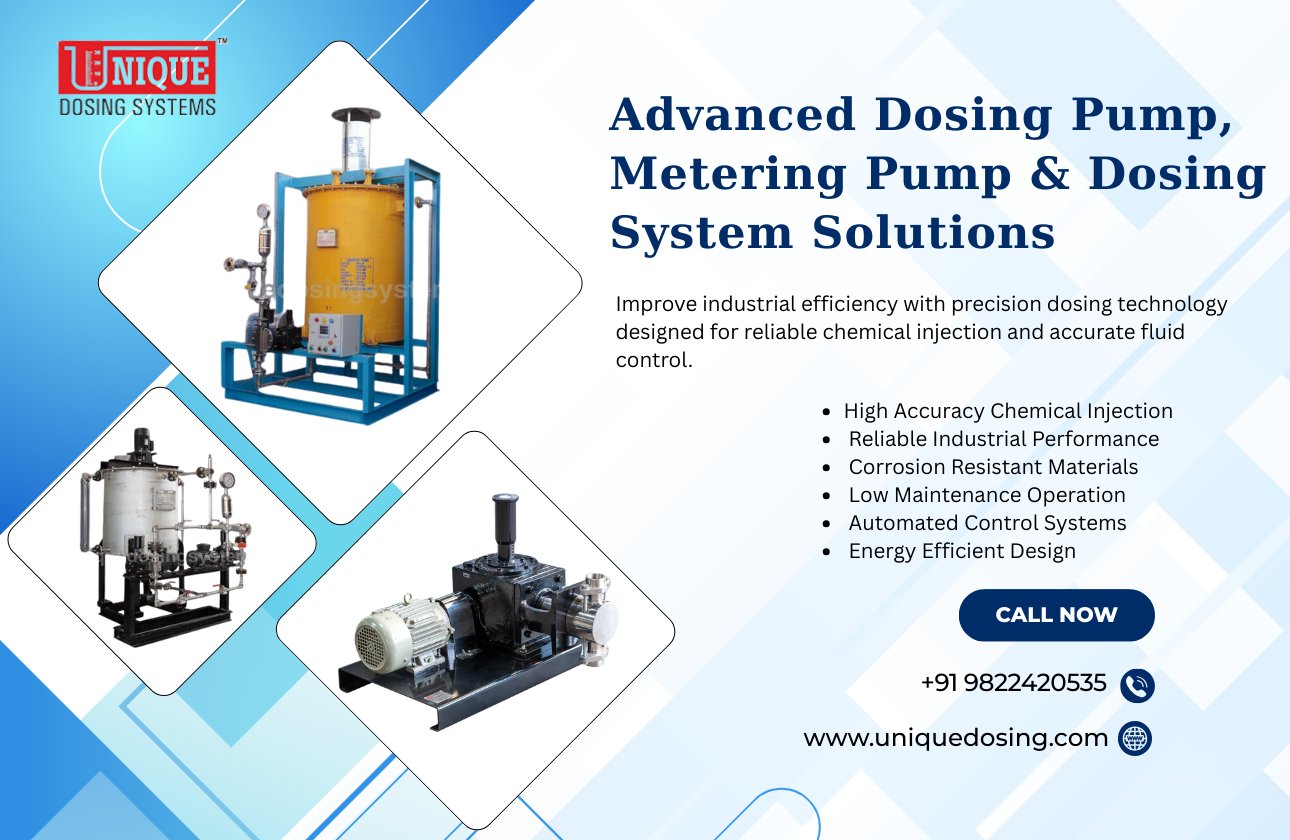
Metering pumps, also known as dosing pumps, are a type of pump used to deliver a precise volume of liquid. They are essential in processes where the exact amount of chemical needs to be accurately and repeatedly added to a system. These pumps ensure that chemicals are added in the right amount and at the right time, which is crucial in industries like water treatment, food processing, and pharmaceuticals. A metering pump can handle a variety of liquids, from thin, clear fluids to heavy, viscous solvents. Their versatility and precision make them incredibly valuable in operations where consistent dosing is necessary.
The Importance of Precision in Metering Pumps
Precision is the defining feature of a metering pump. This characteristic is vital because many industrial processes depend on the exact mixing of chemical ingredients. Inaccuracies can lead to product defects, environmental damage, or safety hazards. The precision of metering pumps eliminates the guesswork in dosing, ensuring the final output meets the required standards. Whether in pharmaceuticals or food production, where small deviations could cause significant issues, metering pumps provide the reliability needed to maintain quality control and compliance with regulatory standards.
Components of a Metering Pump System
A typical metering pump system consists of several components that work together to achieve accurate flow rates. These include the pump head, diaphragm, valve assemblies, and a driving motor. The pump head contains the diaphragm, which moves in a reciprocating motion to push liquid through the system. Valve assemblies control the flow direction, ensuring that fluid enters and exits the pump correctly. The driving motor provides the necessary power to operate the pump system. Each component plays a crucial role in maintaining the pump's overall performance and efficiency.
Different Types of Metering Pumps
Metering pumps come in several types, each suitable for different applications and conditions. Diaphragm pumps are popular due to their robust design and ability to handle a wide range of liquids and pressures. Piston pumps, although less common, offer high precision for specific applications. Peristaltic pumps use a rotating element to move fluid through a tube, making them ideal for low-pressure operations with sensitive fluids. Each type offers unique advantages, from handling viscous liquids to maintaining cleanliness by eliminating seal leakage, allowing for a choice that best suits the intended purpose.
Applications of Metering Pumps
Metering pumps find applications across numerous industries, each requiring precise chemical dosing for optimal operation. In the water treatment industry, these pumps introduce chemicals like chlorine and caustic solutions to purify water. The food and beverage industries use them to add flavors, preservatives, and other ingredients accurately. In pharmaceuticals, metering pumps ensure the exact concentration of medicines and chemicals for safe consumption. These pumps are indispensable in any process that necessitates the precise addition of liquids, supporting both quality and efficiency in industrial applications.
Advantages of Using Metering Pumps
One of the primary benefits of using metering pumps is their ability to deliver accurate and consistent dosing, which is essential for processes that require high precision. This consistent delivery helps maintain product quality and safety. Metering pumps are versatile and can handle diverse fluids, including corrosive chemicals, which increases their utility across various sectors. They also offer adjustable flow rates, making them adaptable to changing process conditions. Additionally, metering pumps are designed for easy maintenance, which reduces downtime and lowers operational costs, making them a cost-effective solution.
Challenges and Solutions in Metering Pump Operations
Like any technology, metering pumps face certain challenges, such as wear and tear that affects precision. However, regular maintenance and choosing high-quality components can mitigate these issues. Another challenge is handling highly viscous or corrosive fluids, which requires selecting the appropriate pump type and materials. Comprehensive knowledge about pump operations and customization to specific industrial needs helps in overcoming these challenges effectively. Training staff and implementing robust monitoring systems can also enhance operational efficiency.
Maintenance Tips for Metering Pumps
Regular maintenance is crucial to keep metering pumps in optimal condition. This includes checking for leaks, inspecting valves and diaphragms for wear, and ensuring the motor and drive system are functioning correctly. It's important to use the manufacturer's recommended parts and supplies to maintain pump integrity over time. Additionally, operators should be trained to recognize potential problems early, preventing more severe issues. Scheduling regular service visits from professionals can also help maintain pump longevity and reliability.
Choosing the Right Metering Pump for Your Needs
Selecting the right metering pump involves considering several factors, such as the type of fluid to be handled, required flow rate, and process conditions. Understanding the specific requirements of your application helps in choosing a pump that delivers performance and reliability. Researching manufacturers and comparing product features can guide you in making an informed decision. Consulting with experts or reviewing resources like the best dosing pumps manufacturers guide is also beneficial.
Innovations in Metering Pump Technology
The advancement of technology has spurred innovations in metering pump design, improving efficiency and ease of use. Modern metering pumps now come with digital interfaces and automated controls, allowing for precise adjustments and real-time monitoring. These technological advancements enhance the pump's ability to perform complex dosing tasks with more accuracy, thus supporting industries in achieving higher productivity while maintaining safety standards. Staying updated with latest trends in pump technology is beneficial for companies looking to adopt new solutions.
Frequently Asked Questions
1. How do metering pumps ensure accuracy?
Answer: Metering pumps ensure accuracy through their precise control mechanisms, which allow for the exact volume of liquid to be delivered at consistent intervals. This accuracy is achieved through the use of advanced technologies like digital interfaces and precision-engineered components.
2. Can metering pumps handle all types of fluids?
Answer: Metering pumps are designed to handle a variety of fluids, including corrosive chemicals, viscous substances, and delicate solutions. The choice of materials and pump type is crucial to accommodate specific fluid characteristics and maintain pump performance.
3. What industries benefit the most from metering pumps?
Answer: Industries such as water treatment, pharmaceuticals, food and beverage, and chemical processing benefit significantly from metering pumps. These sectors rely on precise chemical dosing to maintain product quality and safety standards.
4. Are there any specific maintenance practices for extending the life of a metering pump?
Answer: Yes, regular inspections of components like diaphragms and valves, adhering to the manufacturer's maintenance schedules, and using recommended parts are essential practices for ensuring longevity and reliability of a metering pump.
5. What should I consider when selecting a metering pump?
Answer: When selecting a metering pump, consider factors such as the chemical properties of the fluid, the desired flow rate, compatibility with existing systems, and the specific requirements of your application. Consulting industry resources and experts can also guide the decision-making process.